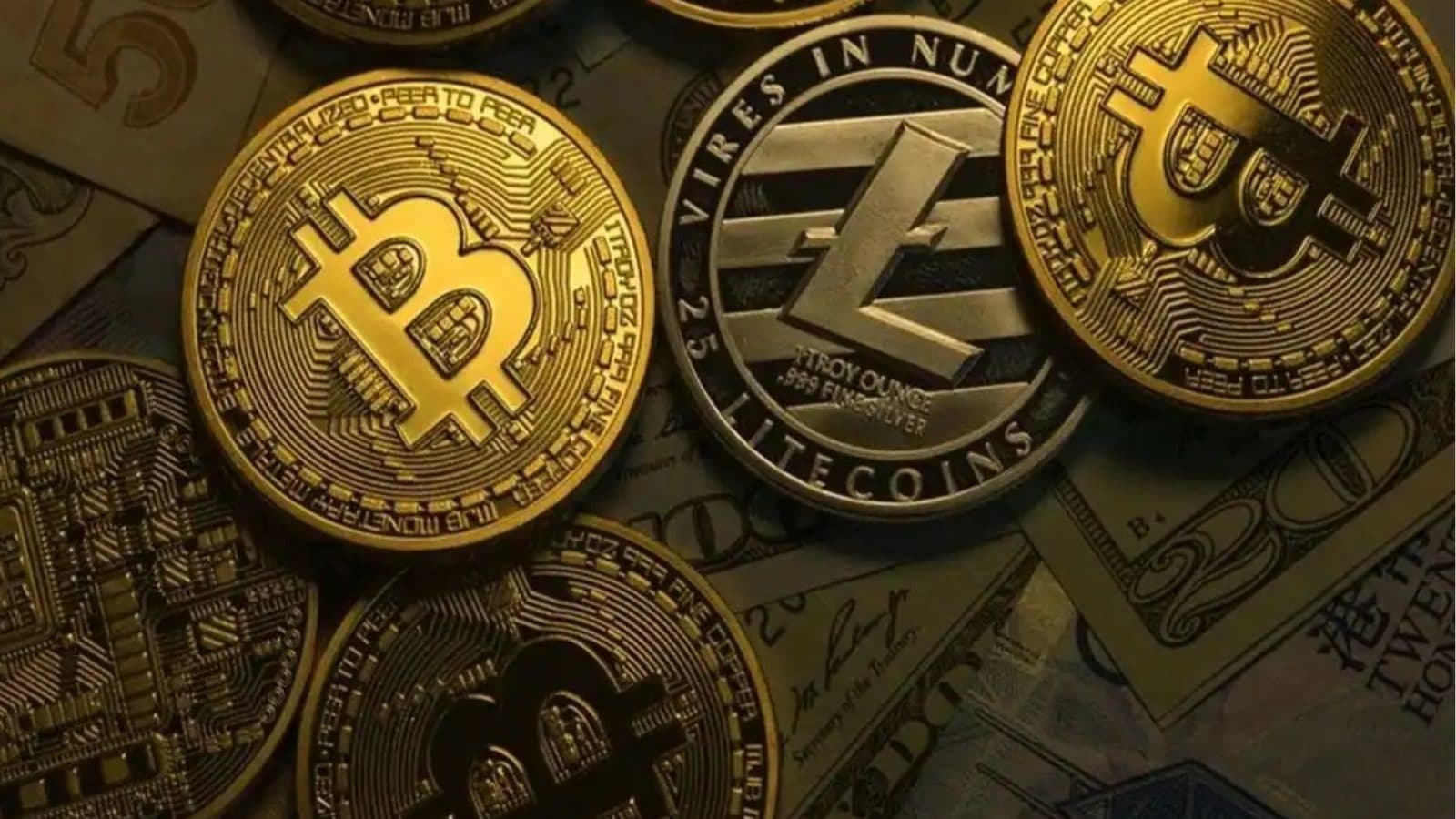
From metallic coins and paper notes to plastic cards, real-time UPI networks, and cryptographic tokens, the fundamental architecture of money undergoes a generational transition every few decades. Today, global monetary systems stand at an unprecedented crossroads that will determine how sovereign transactions, cross-border commerce, and value storage operate for the next half-century.
On one side stands the decentralized cryptocurrency movement (Bitcoin, Ethereum), designed as permissionless, math-governed money outside the domain of central banks. On the opposing side are sovereign monetary authorities deploying Central Bank Digital Currencies (CBDCs)—such as the Reserve Bank of India's (RBI) Digital Rupee (e-₹).
While both technologies leverage cryptography and distributed ledger principles, their economic objectives, legal structures, and systemic functions are fundamentally divergent.
1. Fundamental Architecture: Sovereign CBDC vs. Private Cryptocurrencies
To evaluate the debate, it is essential to distinguish sovereign legal tender from speculative digital commodities:
| Structural Dimension | Central Bank Digital Currency (e-₹) | Cryptocurrencies (e.g., Bitcoin) |
|---|---|---|
| Issuing Authority | Sovereign Central Bank (RBI); direct liability of the state | Autonomous decentralized networks; algorithmic rules |
| Legal Tender Status | Yes; statutory backing under the RBI Act | No; treated as Virtual Digital Assets (VDAs) or commodities |
| Price Volatility | Zero; pegged 1:1 to physical rupee banknotes | Extreme; subject to global liquidity cycles and sentiment |
| Monetary Supply | Elastic; managed dynamically via monetary policy | Inelastic / Algorithmic (e.g., hard cap of 21 million BTC) |
| Settlement Finality | Instant sovereign liability transfer; zero counterparty risk | Probabilistic block confirmations; protocol gas fees |
2. Why the RBI Built the Digital Rupee (e-₹) Alongside UPI
With India's Unified Payments Interface (UPI) already processing over 14 billion transactions monthly with unmatched speed, why did the central bank invest in a retail and wholesale CBDC?
A. Elimination of Physical Cash Overhead
Printing, inspecting, securely transporting, and incinerating physical currency notes costs the RBI and commercial banking system thousands of crores annually. The Digital Rupee represents sovereign tokenized cash held directly in digital wallets, dramatically lowering currency logistics overhead.
B. Direct Sovereign Liability vs. Interbank Settlement
When you transfer money via UPI, you are instructing Bank A to settle a liability with Bank B across commercial banking rails. If an intermediary bank’s core banking system (CBS) suffers downtime, transactions fail. In contrast, an e-₹ token is a direct claim on the Reserve Bank of India itself—eliminating intermediary credit risk and enabling peer-to-peer offline settlement.
C. Frictionless Cross-Border Remittances
Cross-border corporate payments and retail remittances through legacy correspondent banking networks (such as SWIFT) currently incur fees between 3% and 6% and take 48 to 72 hours. Interlinking sovereign CBDCs enables bilateral, atomic real-time settlement in native currencies, bypassing foreign exchange markups and intermediary correspondent friction.
D. Programmable Fiscal Transfers
Sovereign CBDCs enable purpose-bound smart contracts. For agricultural subsidies or public healthcare initiatives, government relief can be issued as programmable tokens redeemable only at registered fertilizer outlets or accredited diagnostic clinics, eliminating leakage and fraud.
3. The Structural Reality of Private Cryptocurrencies
Early crypto advocates envisioned decentralized tokens replacing national fiat currencies for daily commerce. However, structural constraints have largely relegated them to speculative alternative assets:
- Purchasing Power Volatility: A currency whose purchasing power fluctuates 10% to 20% in a week cannot serve as a reliable unit of account or deferred payment standard for contracts, leases, or daily retail purchases.
- Regulatory & Tax Scrutiny: Major jurisdictions—including India with its 30% capital gains tax and 1% TDS regime—have restricted crypto from entering domestic retail payment rails to protect monetary sovereignty and prevent financial contagion.
Consequently, blue-chip assets like Bitcoin have evolved from "digital cash" into an institutional alternative asset—often termed "Digital Gold"—prized for its non-dilutive supply cap against global fiat debasement.
Summary: Coexistence in Modern Finance
The future of digital finance will not be an all-or-nothing contest, but a clear functional division of labor:
- Transactional Rail & Daily Commerce: Governed entirely by sovereign CBDCs, UPI integrations, and regulated commercial banking ledgers.
- Alternative Asset Class & Web3 Innovation: Underpinned by decentralized protocols like Bitcoin and Ethereum serving as collateral for programmable open-finance ecosystems.
Money has permanently transcended the physical realm into code, and understanding the distinct roles of sovereign digital cash versus private crypto assets is foundational for every modern market participant.